How Auto-Dimming Rearview Mirrors Work in Ford Vehicles
If you’ve ever driven at night and felt blinded by headlights in your rearview mirror, you already know why auto-dimming rearview mirrors matter. Many Ford models use an intelligent mirror that automatically darkens to reduce glare, helping you stay more comfortable and focused behind the wheel.
This guide from Gurley Leep Ford explains the technology in plain language, how to tell if your Ford has it, and how to keep it working properly—whether you’re commuting around South Bend or traveling anywhere in the U.S.
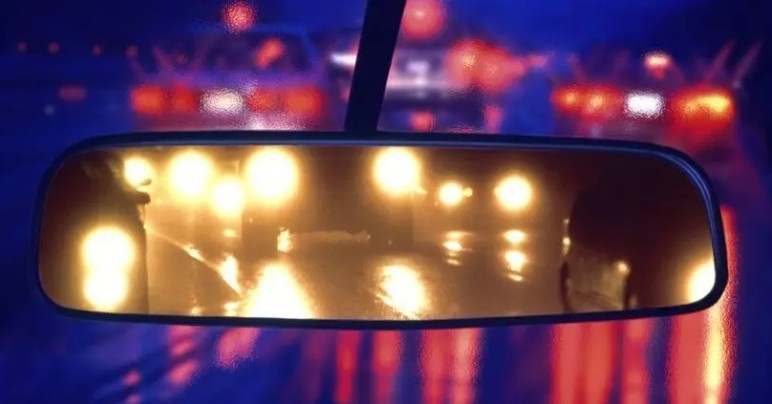
What Is an Auto-Dimming Rearview Mirror?
An auto-dimming rearview mirror is designed to automatically darken when it detects bright light from behind you, such as headlights. Instead of flipping a manual “night mode” tab, the mirror uses sensors and an internal dimming layer to adjust the tint on its own.
How Ford Auto-Dimming Mirrors Work
Most Ford auto-dimming mirrors use electrochromic technology. Inside the mirror is a thin layer that changes its opacity when a small electrical current is applied. The system makes decisions based on light sensor readings, then dims gradually to reduce glare.
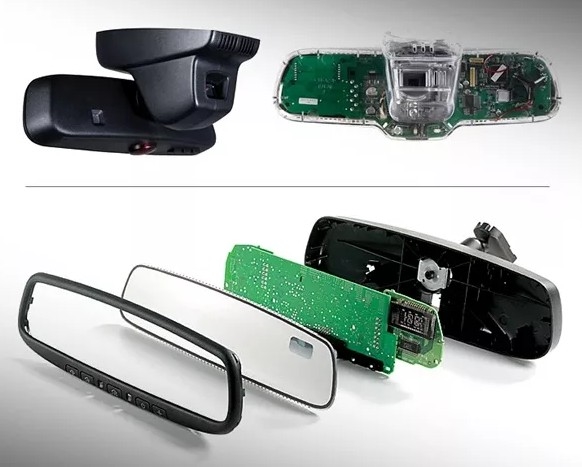
The two-sensor logic (front vs. rear)
In many Ford setups, the mirror uses two light sensors:
- Forward-facing sensor: measures ambient light in front of the vehicle
- Rear-facing sensor: detects bright light coming from behind (like headlights)
When the rear sensor detects significantly more light than the front sensor, the mirror applies voltage to the electrochromic layer, and the mirror darkens to reduce glare. When glare drops, the mirror returns to a clearer state.
Why it’s most noticeable at night
Auto-dimming typically engages most in low-light conditions because the system compares rear glare to overall ambient light. In bright daytime conditions, the mirror may not dim as much even if a vehicle behind you has bright lights.
Do All Ford Vehicles Have Auto-Dimming Mirrors?
Auto-dimming mirrors are commonly found on many Ford trims, packages, and option groups, but availability varies by model year and trim. Some mirrors also integrate features like HomeLink®, a compass display, or garage door controls.
The easiest way to confirm is to check your window sticker, feature list, or ask our team to verify your VIN.
How to Tell if Your Ford Mirror Is Auto-Dimming
- Look for small sensor “windows” on the front and/or back of the mirror housing
- Check for an on/off button or indicator light (varies by model)
- At night, shine a light behind the vehicle while covering the forward-facing sensor—some mirrors will visibly darken
Tip: Don’t test on the road while driving. A safe driveway test is best.
Common Issues and Simple Fixes
If your Ford mirror doesn’t seem to dim, it may not always be a failure. Here are a few common causes:
- Dirty sensors: dust, film, or interior cleaners can block sensor readings
- Obstructions: dash cams, stickers, or accessories may interfere with the sensor
- Mirror set incorrectly: make sure it’s not forced into a manual night mode position (if equipped)
- Electrical issue: blown fuse or wiring concern (rare, but possible)
If you’re unsure, our service team can inspect it and confirm whether the mirror is functioning as designed.
Why This Feature Matters for Indiana Drivers
In northern Indiana—especially around South Bend, Mishawaka, Granger, and Elkhart—drivers deal with dark winter commutes, rainy nights, and highway glare. Auto-dimming mirrors can reduce eye strain and help you maintain better awareness when traffic lights up behind you.
Get Help at Gurley Leep Ford in South Bend, IN
Whether you’re troubleshooting a mirror that doesn’t dim, replacing a damaged unit, or confirming which Ford features are installed on your vehicle, Gurley Leep Ford is here to help.
Frequently Asked Questions
What makes a Ford rearview mirror auto-dimming?
Most Ford auto-dimming mirrors use an electrochromic layer inside the glass that darkens when the system detects glare from headlights behind you. Sensors measure light levels and apply a small voltage to adjust the mirror tint automatically.
Do auto-dimming mirrors work during the day?
They can, but the effect is usually strongest at night or in low-light conditions. The system compares glare from behind with ambient light in front, so bright daytime conditions may reduce how much the mirror dims.
How can I test if my Ford mirror is auto-dimming?
In a safe, parked setting at night, cover the forward-facing sensor and shine a light toward the rear-facing sensor. If equipped and enabled, the mirror should gradually darken.
Why isn’t my auto-dimming mirror dimming anymore?
Common causes include dirty sensors, blocked sensor windows (dash cam mounts or stickers), or a power/wiring issue. Cleaning the sensor areas and checking for obstructions is a good first step.
Can Gurley Leep Ford replace or repair an auto-dimming mirror?
Yes. If diagnosis shows the mirror or related wiring needs attention, our team can recommend the appropriate repair or replacement for your Ford model.
Looking for answers about Ford auto-dimming rearview mirrors or other driver-assist and comfort features? Reach out to Gurley Leep Ford in South Bend, IN and we’ll point you in the right direction.
Gurley Leep Ford
320 E Ireland Rd
South Bend, IN 46614-2656
Phone: 574-465-7379